In this article, we will explore how commercial roofing companies navigate the sales process, addressing common queries and providing insights into their strategies. Understanding the intricacies of these processes helps businesses become more competitive, ensuring a steady stream of work and satisfied clients. We will cover various aspects, such as identifying customer needs, establishing strong relationships, generating leads, and factors influencing pricing.
Each of these components plays a significant role in the overall success of a commercial roofing company.
What Are the Key Strategies Used by Commercial Roofing Companies in Sales?
Understanding Customer Needs
Commercial roofing companies prioritize understanding the unique needs of their clients as a cornerstone of their sales strategy. Identifying these needs often requires a detailed consultation where roofing specialists assess not only the physical requirements of a building but also the financial constraints and long-term goals of the client. This information guides companies in tailoring their proposals, ensuring each project aligns with client expectations. By accurately mapping out what a client needs versus what they might want, companies can propose solutions that are both innovative and financially viable. This approach fosters trust, as clients feel heard and valued, reinforcing their decision to choose a particular roofing provider.
Building Relationships
Building strong relationships is pivotal for commercial roofing companies aiming to foster trust and ensure a steady flow of projects and referrals. Personal connections with clients can lead to repeat business, as satisfied customers are more likely to return for future projects and recommend services to others. Establishing rapport often begins with the initial consultation, where companies have the opportunity to demonstrate their expertise and commitment to quality service. A focus on transparency and communication throughout the project lifecycle can further enhance client relations and cement the company’s reputation as a reliable service provider.
How Do Commercial Roofing Companies Generate Leads?
Utilizing Online Marketing
In the digital age, commercial roofing companies have turned to online marketing as a critical tool for generating leads and expanding their client base. SEO (Search Engine Optimization) is a key strategy, ensuring that these companies’ services appear at the top of search results when potential clients search for roofing solutions. A strong online presence can significantly enhance visibility, attracting inquiries from a broader audience. Social media platforms also play a vital role in lead generation by allowing companies to showcase their work, engage with followers, and participate in industry-related discussions. This digital engagement creates opportunities to build brand recognition and trust among prospective clients.
Networking and Partnerships
Despite the rise of digital tools, traditional networking remains an effective lead generation technique for commercial roofing companies. Attending industry-specific events and trade shows provides an excellent opportunity to connect with potential partners, suppliers, and clients. By displaying their latest roofing technologies and successful projects, companies can cement their reputation as leaders in the field. Engaging face-to-face creates a personal touch in an often impersonal, digital world, allowing potential clients to put a face to the brand. Such connections often lead to strategic partnerships that enhance a company’s service offerings and broaden its client and resource networks.
What Factors Influence Pricing in Commercial Roofing Sales?
Material Costs
Material costs are a fundamental factor influencing the pricing strategies of commercial roofing companies. The choice of roofing materials directly impacts both the quality and lifespan of the installed system, making it a critical consideration in project pricing. Higher-quality materials typically come with increased costs, but they also offer enhanced durability and performance, which can be appealing for clients seeking long-term value. Roofing companies must carefully balance material costs with the competitive pricing of their proposals, ensuring they offer clients cost-effective solutions without compromising on quality. This balance is crucial in portraying the company as affordable yet reliable, helping to secure contracts in a competitive market.
Labor and Project Complexity
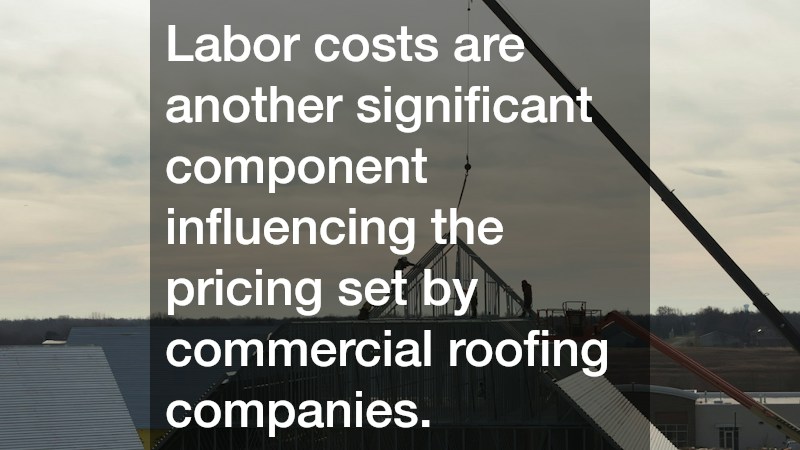
Labor costs are another significant component influencing the pricing set by commercial roofing companies. The skilled labor necessary for specialized roofing tasks requires companies to invest in hiring and retaining qualified professionals. Complex roofing projects that demand a higher level of technical expertise can increase labor costs, reflecting the need for skilled workforce deployment over extended periods. Balancing labor costs with competitive contract pricing is essential to maintain profitability while appealing to clients. Roofing companies ensure their teams are proficiently managed to optimize resource allocation and minimize downtime, facilitating a balance between quality execution and cost-effectiveness.
By understanding the sales strategies, lead generation tactics, and pricing factors, both commercial roofing companies and their clients can navigate the sales landscape more effectively. The company’s ability to align with client needs, foster lasting relationships, and market itself successfully are pivotal in securing ongoing business opportunities. Effective pricing models based on a clear understanding of material and labor costs ensure competitive yet sustainable business practices. Overall success in the commercial roofing industry requires an integrated approach, combining strategic sales tactics with professional service delivery. As roofing companies continue to adapt to market changes and client demands, their thoughtful navigation of the sales process serves as a testament to industry leadership and client dedication.