Running a transportation business requires more than keeping vehicles on the road. Owners and managers must coordinate employees, equipment, maintenance, facilities, customer expectations, scheduling, and unexpected operational challenges. Without a clear plan for each area, a small disruption can quickly affect routes, delivery schedules, and profitability.
Effective planning gives transportation businesses a practical framework for handling daily responsibilities while preparing for growth. Staffing decisions, vehicle maintenance, equipment investments, facility organization, and customer communication all need to work together. A strong operational plan should also be flexible enough to accommodate seasonal demand, changing service requirements, and unexpected downtime.
The following strategies can help transportation business owners organize their operations more effectively, identify potential problems earlier, and make informed decisions about resources. By turning major operational responsibilities into repeatable processes, businesses can create a more organized foundation for long-term performance.
Build a Staffing Plan Around Operational Demand
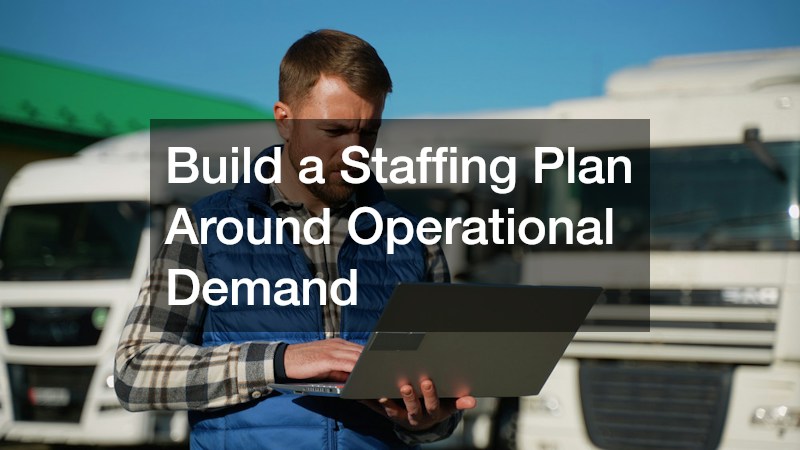
A transportation business depends on having enough qualified people available when routes, deliveries, maintenance, and administrative responsibilities require them. Staffing should therefore be based on actual workload rather than simply filling positions whenever someone leaves. Review route volume, customer commitments, seasonal fluctuations, and projected growth to determine where additional personnel may be needed.
Creating a staffing forecast can also help management anticipate shortages before they affect operations. Consider both driving positions and the employees responsible for dispatching, scheduling, maintenance coordination, customer service, and administrative work.
A useful staffing plan should address:
- Expected workload during peak and slower periods
- Required qualifications for different positions
- Employee scheduling and coverage requirements
- Training and onboarding procedures
- Backup staffing options for absences
When evaluating trucking jobs, businesses should consider more than the number of open positions. Each position should have clearly defined responsibilities, required qualifications, expected schedules, and performance standards. Maintaining organized job descriptions can make recruiting and onboarding more efficient while giving employees a clearer understanding of their responsibilities.
Businesses should also review staffing plans periodically. Adding routes, vehicles, customers, or services can change workforce requirements considerably, so staffing should remain connected to the broader operating plan rather than being treated as a separate administrative function.
Match Fleet Capabilities to the Work You Actually Perform
Fleet planning should begin with a clear understanding of the work vehicles are expected to perform. Purchasing or modifying vehicles without considering actual routes, cargo requirements, operating conditions, and customer needs can create unnecessary expenses. Before making changes, review how each vehicle is currently being used and where its capabilities may be limiting productivity.
Businesses can create a vehicle profile for each unit that records important information such as capacity, typical routes, equipment, maintenance history, and specialized functions. This information makes it easier to determine whether a vehicle needs modification, replacement, reassignment, or additional equipment.
When considering truck customization services, evaluate factors such as:
- The type and frequency of loads being transported
- Storage and organization requirements
- Safety and visibility considerations
- Operating conditions and route characteristics
- Compatibility with existing equipment
Customization should solve a specific operational problem rather than simply add features. A well-planned modification may make equipment easier to use, improve organization, or adapt a vehicle to a particular service. However, every modification should be evaluated for its effect on maintenance, vehicle weight, operating procedures, and long-term costs.
Keeping detailed records of vehicle modifications is also useful. Future maintenance personnel and managers can refer to those records when inspecting equipment, ordering replacement components, or planning additional fleet improvements.
Create a Preventive Maintenance Schedule Before Problems Occur
Unexpected mechanical problems can interfere with routes, delay customers, and require last-minute scheduling changes. Preventive maintenance gives transportation businesses a structured way to monitor vehicle condition and address routine service needs before they become larger operational concerns.
Maintenance planning should account for mileage, engine hours, manufacturer recommendations, vehicle age, operating conditions, and the type of work each vehicle performs. Vehicles that travel frequently or operate under demanding conditions may require closer monitoring than units used less often.
A maintenance schedule can include:
- Oil and fluid service
- Brake and tire inspections
- Battery checks
- Lighting and electrical inspections
- Suspension and steering evaluations
- Regular safety inspections
Businesses should assign responsibility for tracking upcoming maintenance rather than relying on individual drivers to remember every service interval. Digital records or centralized maintenance logs can show which vehicles have recently been serviced and which ones are approaching their next scheduled inspection.
An established relationship with an auto mechanic can also simplify scheduling and communication. Rather than waiting until a vehicle breaks down, businesses can coordinate routine inspections and discuss recurring issues as they develop. Maintenance expenses should be included in annual budgeting as a predictable operating cost, with additional funds reserved for unexpected repairs.
Plan for Specialized Transportation Equipment and Seasonal Demand
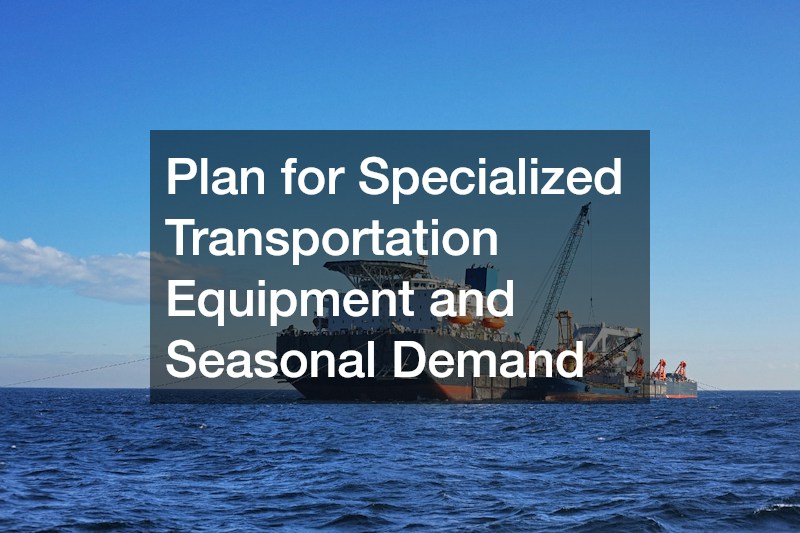
Not every transportation assignment involves standard cargo or routine routes. Some businesses may occasionally handle specialized recreational equipment, oversized items, or loads requiring additional preparation. These assignments can create different planning requirements involving weight, dimensions, loading procedures, towing capacity, storage, and transportation routes.
Before accepting specialized work, management should determine whether the available vehicles and equipment are appropriate for the assignment. The business should also consider whether employees have the necessary experience and whether additional equipment or outside support will be required.
For specialized loads, planning should cover:
- Exact dimensions and weight
- Loading and unloading requirements
- Trailer and towing capacity
- Route restrictions and access
- Securement requirements
- Weather and seasonal conditions
A pontoon boat, for example, may require more detailed planning than ordinary cargo because its dimensions and shape can affect loading, transportation, storage, and access. Businesses handling this type of work should establish procedures before accepting an assignment rather than developing them after equipment has already been scheduled.
Seasonal demand should also be considered. If specialized transportation becomes more common during certain months, businesses can review historical demand and prepare equipment and staffing in advance. This approach can help prevent specialized assignments from interfering with regular operations.
Coordinate External Services With Your Business Schedule
Transportation businesses frequently depend on outside service providers for facility-related work, specialized maintenance, equipment servicing, and other operational requirements. These services need to be incorporated into the business schedule rather than treated as isolated appointments.
Start by creating a vendor management record that includes service providers, contact information, service frequency, previous work, and upcoming appointments. A centralized record gives managers a clearer picture of which outside services are due and when they may affect normal operations.
When coordinating external providers, consider:
- Whether work will interrupt vehicle access
- How long the service is expected to take
- Which areas of the facility will be affected
- Whether employees need advance notice
- Whether service should occur outside peak operating hours
Working with lift station companies or other specialized providers may require additional scheduling because their services can affect facility operations. Planning these appointments around delivery schedules, vehicle movements, and employee availability can reduce unnecessary disruption.
Use Storage Solutions to Improve Facility Organization
Storage capacity can become an overlooked operational issue as a transportation business grows. Equipment, spare parts, seasonal materials, supplies, tools, and customer-related items can gradually occupy areas intended for vehicles or loading activities. Poor organization can make employees spend more time locating materials and can interfere with efficient movement around the facility.
Begin by identifying what needs to be stored, how frequently each item is accessed, and how much space each category requires. Frequently used materials should be positioned where employees can retrieve them efficiently, while seasonal or rarely used items can be placed in less accessible areas.
A storage plan should consider:
- Available floor and exterior space
- Security requirements
- Weather exposure
- Accessibility
- Inventory organization
- Vehicle and loading-area clearance
Affordable shipping containers may provide one option for businesses that need additional storage capacity without immediately expanding a permanent structure. However, placement should be evaluated carefully so storage does not interfere with traffic patterns, emergency access, loading areas, or vehicle maneuvering.
Establish a Consistent Fleet Appearance and Branding Process

Company vehicles are highly visible assets, particularly when they travel through multiple communities and interact with customers at delivery locations. A consistent appearance can support brand recognition while also helping management maintain a professional standard across the fleet.
Begin by documenting the company’s preferred vehicle appearance. This may include colors, logos, lettering, placement, and other visual elements. Having written specifications makes it easier to maintain consistency when vehicles are repaired, replaced, or added to the fleet.
A fleet appearance plan should address:
- Approved colors and finishes
- Logo placement and sizing
- Identification numbers
- Replacement and repair procedures
- Inspection standards
- Scheduling for exterior work
Truck painting services should be scheduled according to vehicle availability and route requirements. Removing a vehicle from service for appearance-related work may affect capacity, so businesses should coordinate projects with dispatch and maintenance schedules.
Prepare a Contingency Plan for Trailer Downtime
Trailers are essential to many transportation operations, but a trailer problem can quickly disrupt an otherwise functional vehicle and driver schedule. Businesses should have a documented response plan for breakdowns, damage, equipment failures, and other situations that make a trailer temporarily unavailable.
Start by identifying which trailers are critical to daily operations and whether backup capacity is available. If one trailer becomes unavailable, managers should know which equipment can be substituted and which routes may need to be adjusted.
A trailer contingency plan can include:
- Emergency repair contacts
- Backup trailer assignments
- Inspection and reporting procedures
- Communication protocols
- Alternative scheduling options
- Documentation requirements
Mobile trailer repairs can be particularly useful when a problem occurs away from the company’s primary facility. Management should establish procedures for determining whether a trailer can safely remain in operation or needs immediate attention.
Develop a Content Strategy That Communicates Your Capabilities
Transportation companies need to communicate what they do, how they operate, and what types of customers or assignments they serve. A planned content strategy can make those communications more consistent while helping businesses explain complex services in an accessible way.
Start by identifying the questions customers commonly ask. Content can then address topics such as service capabilities, equipment, transportation processes, preparation requirements, and common operational considerations. The goal should be to provide useful information rather than simply publish promotional material.
A transportation content plan can include:
- Educational videos about services
- Equipment demonstrations
- Facility or process walkthroughs
- Customer-focused explanations
- Employee or operational features
- Frequently asked questions
Remi video production can support a broader communications strategy when businesses want to explain their capabilities visually. Video can demonstrate equipment, show how a process works, or provide a clearer introduction to specialized services than written content alone.
Plan Loading and Unloading Areas for Efficiency
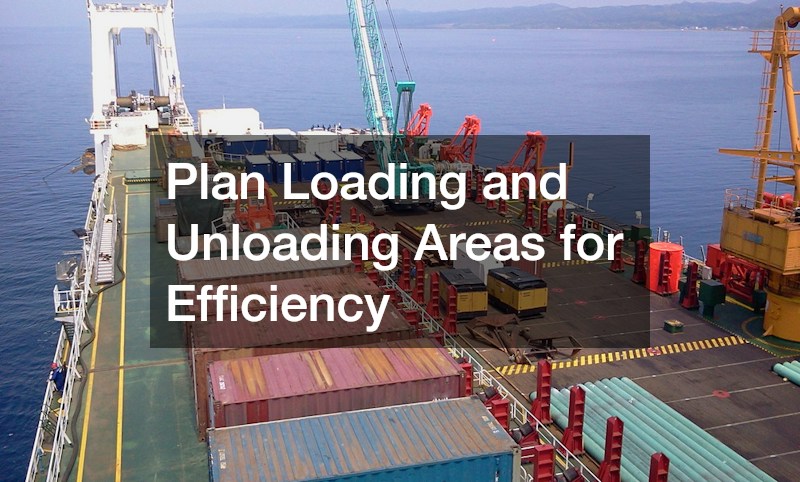
Loading and unloading areas can have a major effect on how efficiently a transportation facility operates. Poorly arranged spaces can create congestion, increase unnecessary vehicle movement, and make it harder for employees to coordinate cargo and equipment. Facility planning should therefore consider how vehicles and people actually move through the property.
Start by mapping the typical movement of vehicles from arrival through loading, staging, departure, and return. Identify areas where vehicles frequently wait or cross paths. Even relatively small changes to staging procedures or equipment placement may improve traffic flow.
When evaluating loading areas, consider:
- Vehicle turning space
- Dock and trailer positioning
- Pedestrian movement
- Cargo staging areas
- Equipment storage
- Visibility and access
Aluminum rolling docks may be relevant for businesses that need flexible loading infrastructure. Any loading equipment should be evaluated based on the types of vehicles and cargo handled, available space, weight requirements, and frequency of use.
Running a transportation business requires coordinated planning across staffing, fleet management, maintenance, specialized services, storage, communication, and facility operations. Each area can affect the others, which makes it important to view the business as one connected system rather than a collection of separate responsibilities.
A practical operating plan gives managers a framework for anticipating demand, scheduling maintenance, preparing for equipment problems, organizing facilities, and allocating resources. It can also make it easier to identify operational weaknesses before they create significant disruptions.
The strongest plans are specific enough to guide everyday decisions while remaining flexible enough to accommodate unexpected circumstances. By building repeatable processes around the major components of transportation operations, business owners can create a more organized foundation for managing current responsibilities and preparing for future growth.